From Idea to App Store: Building a Consumer Health iOS App With AI-Native Workflows
How a marketer shipped Nalu, a personalised nervous system support app, solo to the App Store using AI-native workflows.
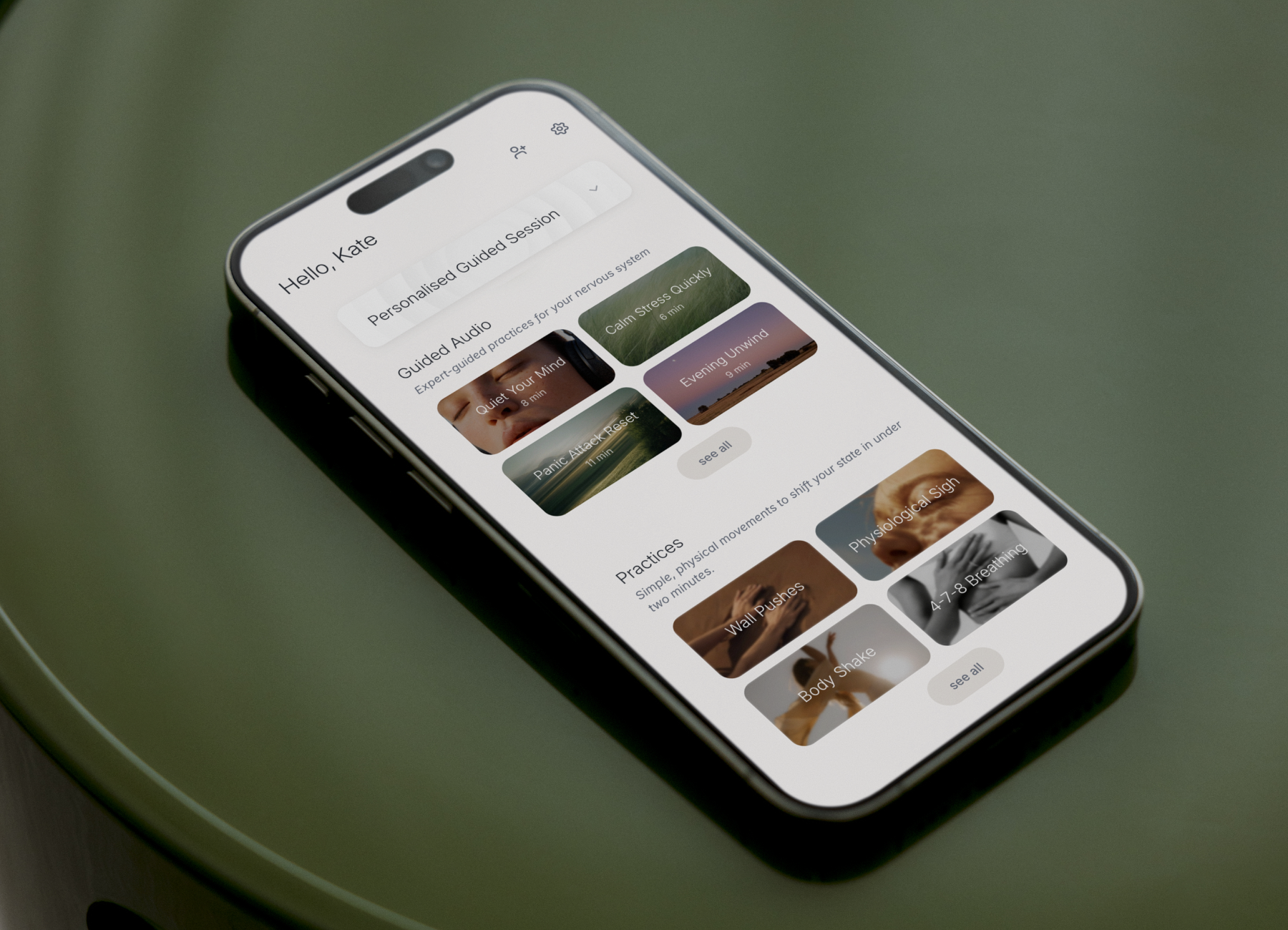
A few weeks ago I shipped an iOS app to the App Store. I built the whole thing myself, which is something I would not have believed possible a year ago.
I am a marketer. I have spent nearly a decade in growth and product marketing roles, briefing engineers and shaping strategy, but never the one actually building. That has changed, and the speed at which it has changed still surprises me. This is the story of what I built, why, and what it has taught me about the way this kind of work is shifting.
What the app does, and why I built it
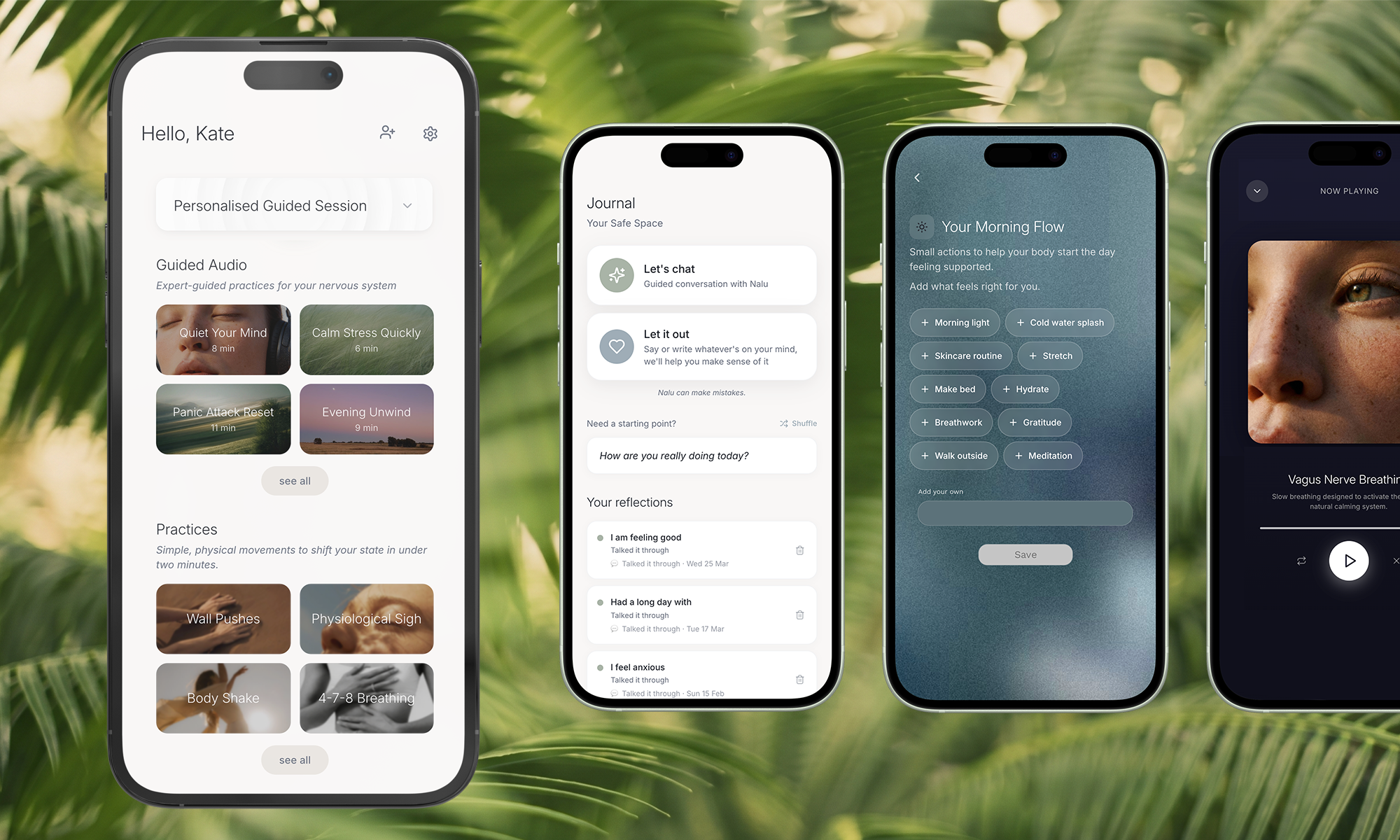
Nalu is a personalised nervous system support app. You tell it how you are feeling, in your own words, and it builds a guided session around your state in real time. Breathwork, body-based exercises, grounding, and coaching, all chosen for you, based on what you actually said. No two sessions are the same, because no two days feel the same.
Alongside the personalised sessions, the app has a library of guided audio practices organised by what you actually need (panic, overwhelm, conflict, low energy, sleep), calming sounds and soundscapes for focus and rest, quick body-based and breathing tools you can do in under two minutes, daily routines for morning, daytime, and evening, AI-powered journaling that responds thoughtfully and helps you make sense of what you are feeling, and mood tracking so you can see what actually helps over time.
I built it because I have been looking for something like this for years and never found it. "Nervous system regulation" is a search term trending sharply upwards. If I have been looking for this kind of tool, plenty of other people have too. The category is becoming mainstream, and the existing apps are not built for what people actually want from it.
The aesthetic was non-negotiable from day one. Warm off-white, soft glass, no popups, no red marks for missed routines, no shame anywhere in the interface. Sensitive moments are handled carefully, with clear signposting to professional support when the app picks up signals a user might need it.
The stack, briefly
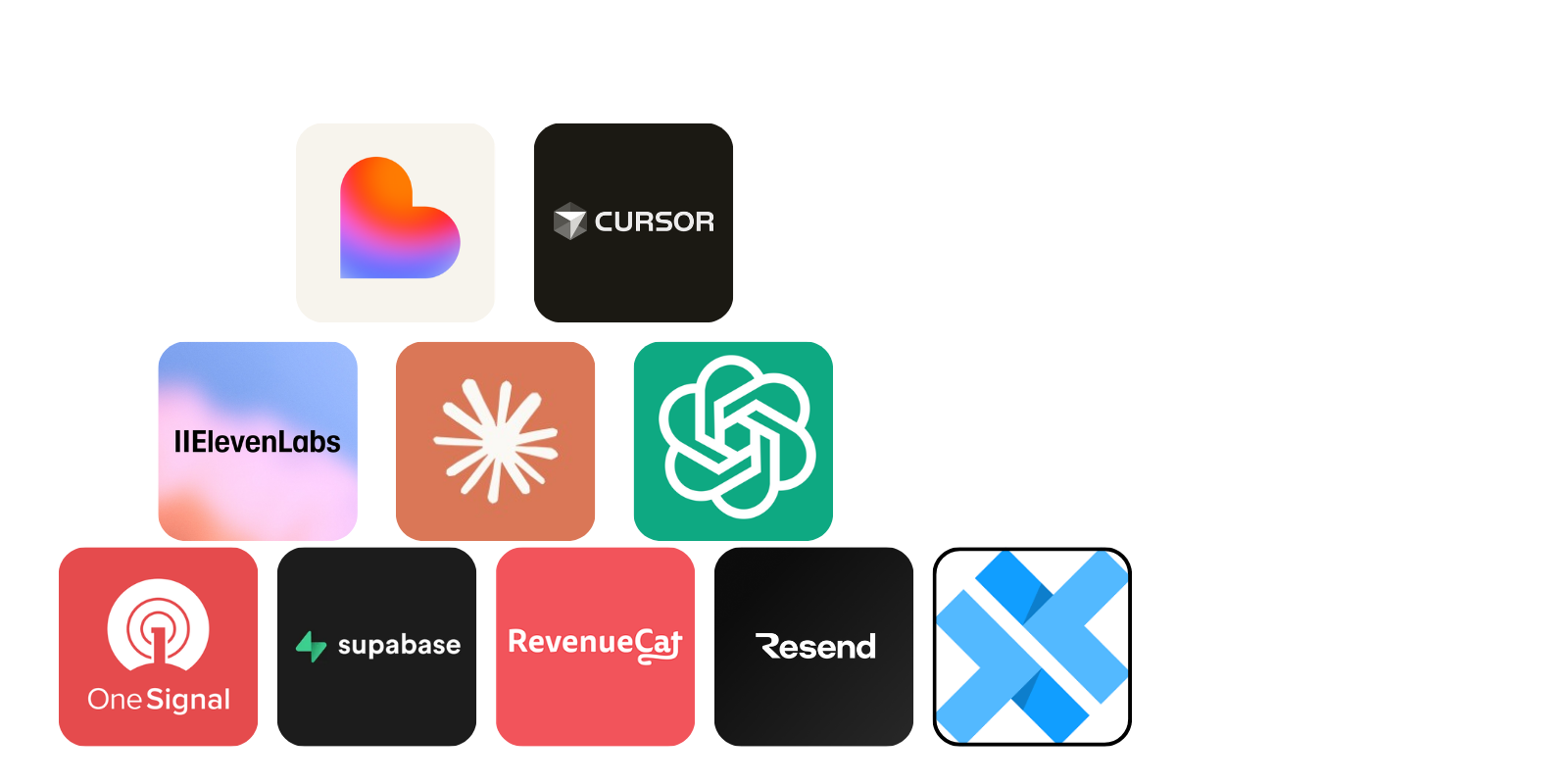
Nalu is a React and TypeScript app wrapped in Capacitor for iOS. The backend is Supabase, which gives me a database, security, edge functions, and storage in one platform. Payments run through RevenueCat with varied trial lengths depending on the offer. Push notifications run through OneSignal. Email runs through Resend with a custom send queue I built myself. Voice generation runs through ElevenLabs. The AI layer runs on Gemini 2.5 Flash through Lovable's AI gateway.
One of the things I love most about how this got built is how much of the operational tooling I made in-house rather than reaching for a SaaS. I built my own affiliate management platform, instead of paying Rewardful or Tapfiliate every month. I built my own analytics suite, with sixteen tabs of cohort, funnel, retention, and feature engagement views, instead of plugging in Mixpanel. I built my own admin layer for editing AI prompts, push notification copy, in-app messages, the audio library, and the curated session modules, all live in production. I built my own email queue and template system on top of the sending layer.
Aside from building the app itself, being able to build all of this means my tech stack is lean, cheap, and custom-built for exactly how I want to work. It is one of the most satisfying parts of doing this solo.
The AI inside the product
The AI does some genuinely useful work inside Nalu, both behind the scenes (helping me build) and in front of the user (helping them regulate). The piece I find coolest is how the two meet in the personalised guided sessions.
Most meditation apps are static. You pick from a list of pre-recorded tracks and hope one of them fits how you feel today. The problem is that how you feel today is rarely how you felt last week, and a recording made for someone else, on a different day, in a different state, often will not land. I wanted something that could meet a person where they actually are. Not a library to choose from, a session built for the state you are in right now.
Here is how it works. You open the app, tap Daily Session, and tell Nalu how you are feeling. You can type it or speak it. The AI reads what you have said and figures out what you actually need (whether you are wired and anxious or flat and dissociated, whether your body is asking for breath work or grounding or gentle movement, whether the session should be longer and slower or shorter and more activating). Then it builds a five to fifteen minute guided session for you, in real time, drawing from a library of breathwork, body-based exercises, and grounding practices.
Underneath that sits about eighty pages of AI prompting I wrote and refined. That prompt library is the spine of the product. It holds the somatic logic the AI uses to decide what kind of session a person needs. It holds the rules of the practices themselves. It holds the language patterns that make Nalu sound like Nalu and not a generic wellness chatbot. I can refine it from an admin page as I learn more about what works for users.
The voice work matters as much as the logic. Every session is spoken by one voice, locked across the entire product, generated through ElevenLabs. The pacing is slower than you would think to set it, because anyone reaching for this kind of tool is already dysregulated, and faster speech reads as pressure. The AI writes the session script with pauses built into it, and those pauses are real silences in the audio, not the voice describing a pause. Underneath the voice sits a soft ambient bed chosen for the user's state, fading out gently at the end so the session never cuts abruptly. The whole thing sounds like a single calm human teacher rather than five tools stitched together, which is exactly the point.
The AI also handles sensitive moments with real care, which was non-negotiable for me in a product like this. Every session input and every journal entry is checked for signals of distress. If something concerning comes up, the experience shifts. The user gets a thoughtful, warm message that acknowledges what they have shared, surfaces clear signposting to professional support, and never tries to play therapist itself. Anything flagged this way is deleted server side. In consumer health, the floor is not "we encrypted it." The floor is "we never stored it in the first place."
The AI-powered journaling uses the same prompt foundation. You write or speak whatever is on your mind, and the AI responds thoughtfully, asks one good question, and where relevant suggests a practice from the in-app library. It is not therapy and it is not pretending to be. It is a reflective surface that helps people make sense of what they are feeling, rather than leaving them stuck in the spiral.
The marketing is inside the product
When I designed Nalu, I designed the growth loops in from the first sketch. You stop seeing acquisition, activation, retention, and referral as separate problems once you have spent nearly a decade in growth and product marketing. You see them as one connected system that the product itself either enables or breaks.
So Nalu has referral codes that work on the onboarding screen, before sign-up, so a creator's audience can land with attribution intact rather than getting lost in a redirect. It has a real affiliate platform underneath, with applications, approvals, unique code generation, payout tracking, and a full admin dashboard. I built this in-house because no off-the-shelf affiliate tool integrates cleanly with how Nalu actually sells, and because once you can build, "we'll use a third party for this" stops being the default answer.
The affiliate flow runs end to end without me touching anything once it is set up. A creator applies through a public form. I get an email, approve them in the admin page, and the system generates their unique code. A user enters that code on the onboarding screen. When they sign up, the conversion is tied to the code. When they purchase, the subscription value gets logged against the affiliate at the agreed payout rate. At payout time I pick a date range, hit pay, and the system handles the rest in a single atomic transaction, so an affiliate is never under or overpaid.
The same instinct shows up across the admin layer. Push notification copy is editable in production from a simple admin page, because the cost of getting that copy wrong on a captive audience is enormous, and the difference between "Time for your session" and "Two minutes for yourself?" shows up in re-open rates within forty eight hours. In-app messages can be scheduled, expired, and tracked for views and clicks. The audio library, the curated session modules, every AI system prompt in the product, all live in tables I can edit without pushing a new app version. When a session pattern is not landing, I tweak the prompt from the admin UI and the next user gets a different experience. No App Store review queue, no waiting on a deploy.
The App Store side of things is just ASO work I have done in previous roles, applied to my own product now. The keywords, the description, the screenshots, the listing, the affiliate programme, the push copy, the content engine driving traffic to it, the onboarding tuning. It is all the same craft, just with my name on the developer page this time.
What this has actually been
When I tell people I built this myself, the assumption is often that AI did the work for me. It did not. AI-native building does not mean I typed "build me a nervous system app" into a prompt box and got Nalu out the other end. That is not a thing. What it does mean is that the leverage point has moved. Writing the code is no longer the bottleneck. Deciding what the product should be, how it should behave, what the constraints are, and where the risks live, that is the work now. And that work was always closer to product marketing than people realised.
Which is why, for me, this has been the most fun I have had working in years.
I have spent my whole career in product and growth. I have briefed designers, written specs for engineers, run experiments, designed funnels, and shaped strategy. What I had not done, until now, is build the product myself.
That is the shift. I used to inform the product. Now I can ideate it, design it, write the UX copy, design the UI, build the growth loops, set up the back end, write the AI prompts, ship it to the App Store, and run the marketing on top of it. Not because I have stopped being a marketer. Because the tools have caught up to the point where a marketer who is willing to learn enough of the stack can now own the whole thing.
Being able to bring my own ideas to life, by myself, for less than $300, is unbelievably exciting. Building Nalu has changed how I see what is possible. With AI, curiosity, and a willingness to suffer a little (Apple's review process, I am looking at you), building real products is no longer reserved for a small technical elite.
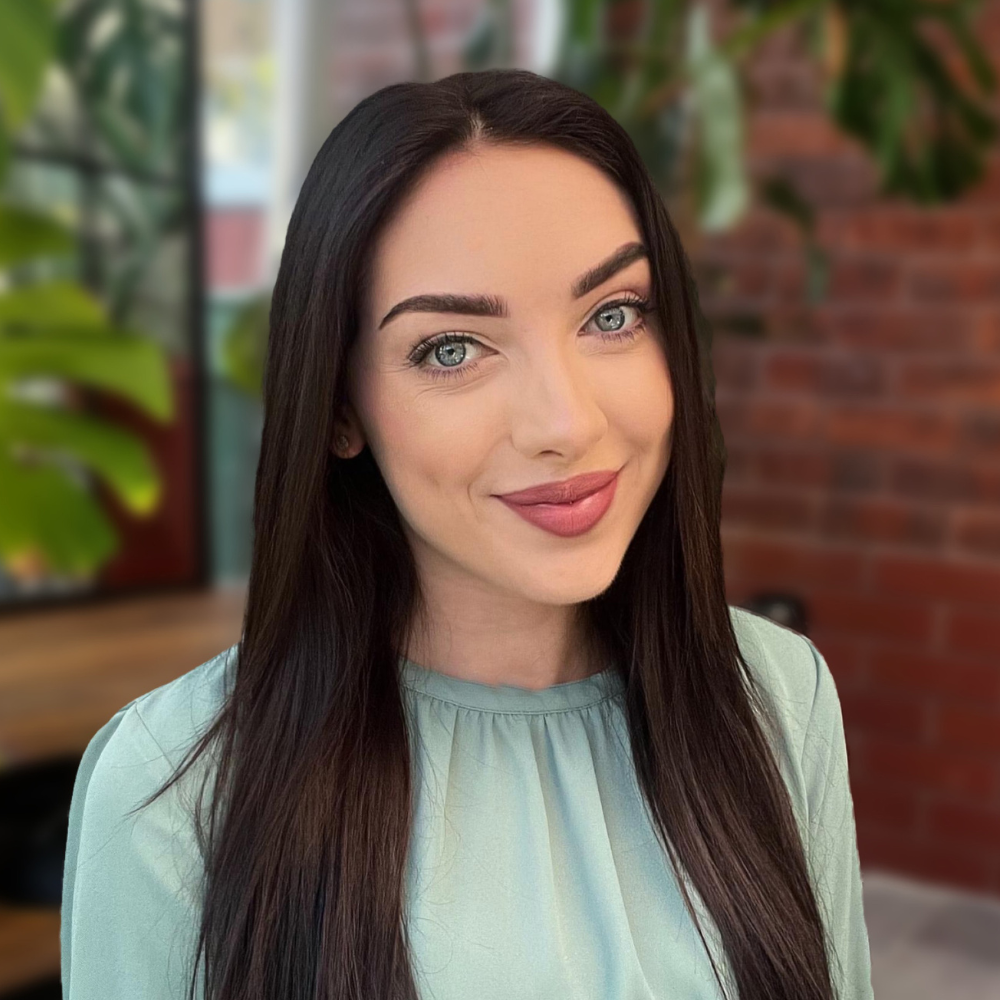
Kate Krekis is an AI-native marketer, product builder, and the writer behind The Vibe Marketing Journal, where she explores the shift from traditional marketing to AI-first operating models. With a background in senior growth and product marketing, she now builds full products end-to-end as a solo founder, vibe coding mobile apps, designing AI agents and agentic workflows, and shipping real systems that run in production. The Vibe Marketing Journal documents her experiments, frameworks, and what she's learning along the way.